
Objętość 200 stron
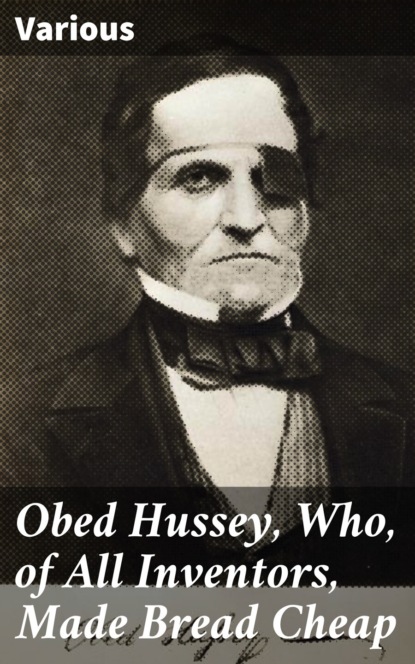
Obed Hussey, Who, of All Inventors, Made Bread Cheap

O książce
"Obed Hussey, Who, of All Inventors, Made Bread Cheap" is a compelling exploration of the life and innovations of Obed Hussey, a pivotal yet often overlooked figure in American agricultural history. The book delves into the intricate details of Hussey's inventions, particularly his groundbreaking improvements to the mechanical reaper, highlighting how his contributions significantly lowered the cost of bread and revolutionized food production during the 19th century. Written in a richly detailed literary style that blends narrative with historical analysis, the text situates Hussey's work within the broader context of industrialization and its socio-economic impacts. The author(s), drawing from a blend of historical research and primary sources, illuminate Obed Hussey's life'—a journey marked by ingenuity, resilience, and a quest for improving the plight of everyday people. Their dedication to uncovering the details surrounding his inventions and their real-world applications reflect an admiration for the transformative power of innovation in agriculture. Influences from the era's technological advancements and economic challenges manifest in the narrative, providing readers with a comprehensive understanding of Hussey's contributions. Readers interested in American history, agricultural innovation, or the dynamics of invention will find this book enlightening and engaging. The narrative not only captivates but also prompts critical reflections on the role of inventors in societal progress. As readers delve into Hussey's story, they will appreciate the lasting impact of his work, making this book a vital addition to the libraries of scholars and casual readers alike.
In this enriched edition, we have carefully created added value for your reading experience:
– An Introduction draws the threads together, discussing why these diverse authors and texts belong in one collection.
– Historical Context explores the cultural and intellectual currents that shaped these works, offering insight into the shared (or contrasting) eras that influenced each writer.
– A combined Synopsis (Selection) briefly outlines the key plots or arguments of the included pieces, helping readers grasp the anthology's overall scope without giving away essential twists.
– A collective Analysis highlights common themes, stylistic variations, and significant crossovers in tone and technique, tying together writers from different backgrounds.
– Reflection questions encourage readers to compare the different voices and perspectives within the collection, fostering a richer understanding of the overarching conversation.