
0+
Surviving for Profit

O książce
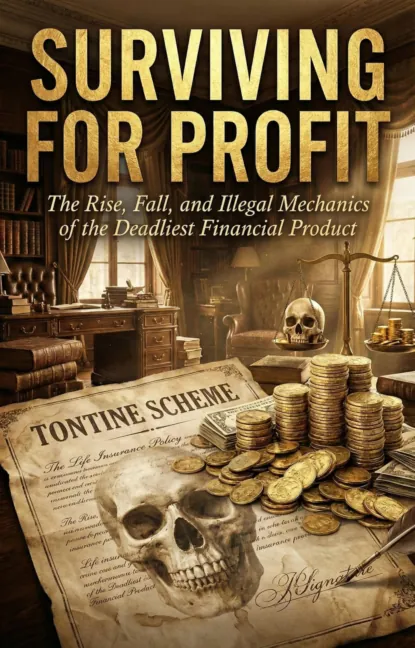
Imagine an investment fund where you pool your money with a group of strangers. The catch? The fund only pays out to the survivors. When someone dies, their share doesn't go to their family; it is distributed among the remaining living members. The last person standing takes the absolute jackpot. This isn't the plot of a thriller movie—this is the Tontine, one of the most popular financial instruments in history.
Invented in the 17th century to fund European wars, the Tontine quickly became a global sensation. It preyed on human greed and the belief in one's own longevity. However, tying massive financial windfalls directly to the death of your neighbors inevitably led to a grim reality. Soon, participants were engaging in fraud, hiding corpses, and in some chilling cases, plotting murder to increase their personal payouts.
This dark financial history unravels the mechanics of the product that birthed modern life insurance before being universally outlawed. It traces the math of mortality gambling, from the French royal court to massive syndicates in early America that used Tontines to build architectural landmarks.
Discover the bizarre economics of betting on survival. The story of the Tontine is a fascinating look into the origins of actuarial science and what happens when the market assigns a literal, compounding dollar value to human life.